All Categories
Featured
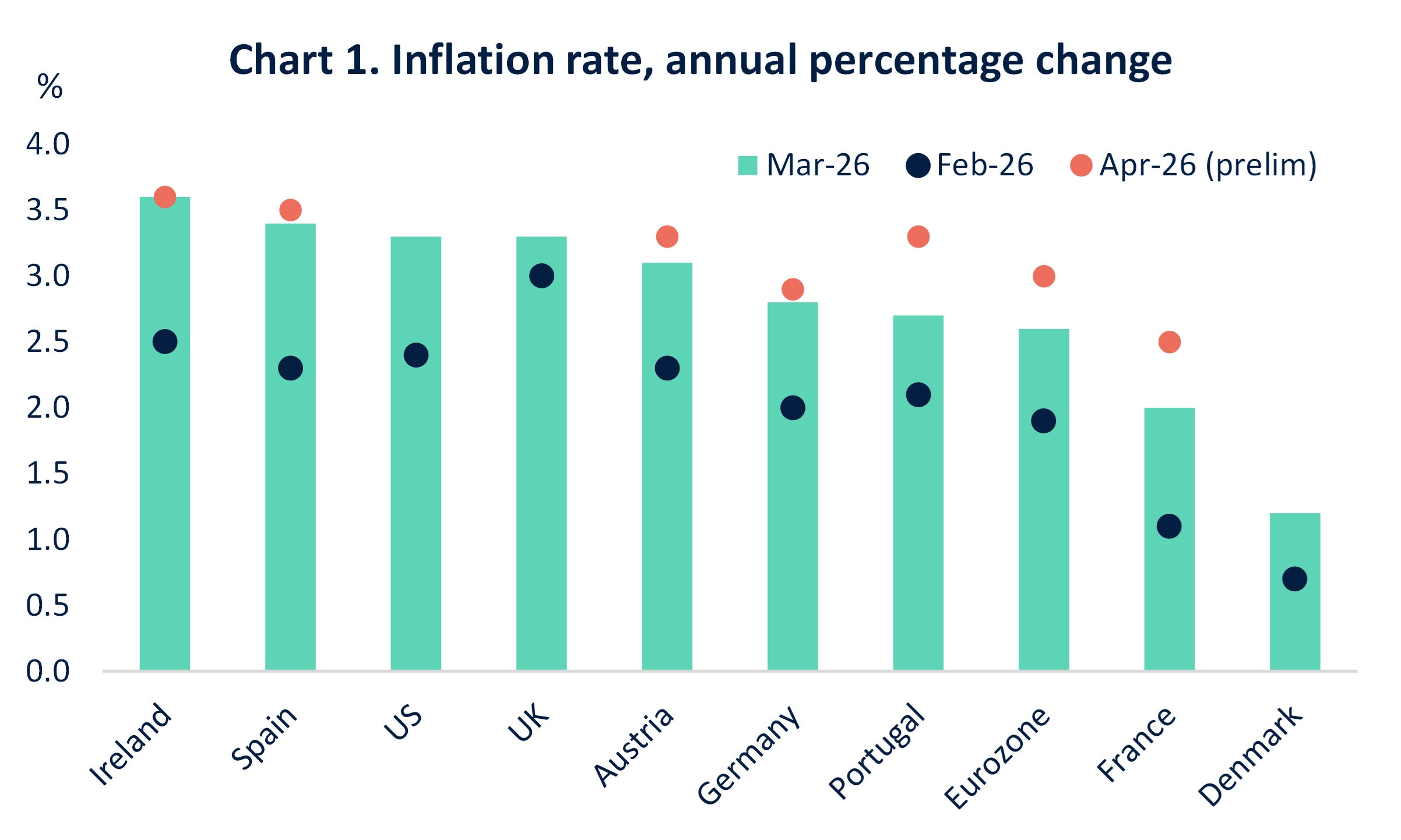
The UK is particularly exposed given its dependence on gas for electrical energy pricing, which is why the International Monetary Fund (IMF) has actually modified its UK inflation and development projections more sharply than any other developed economy. Inflation briefly dipped listed below 3% for the first time considering that early 2025, however the reprieve will be short-term.
A weaker labour market and softer need ought to prevent a repeat of 2022's double-digit spike, restricting second-round effects. Our base case is inflation balancing 3.1% in 2026, peaking around 3.5%, before relieving to 2.5% in 2027, though dangers loom large if the Strait of Hormuz remains closed. The UK labour market was currently softening before the most recent energy shock, with unemployment rising to 5.0% and jobs at their most affordable given that the pandemic.
Analyzing UK Venture Funding versus Global InvestmentFirms are not yet shedding personnel, but reluctance to hire is broadening the space in between job growth and population development. Greater energy expenses will intensify the pressure, and we expect joblessness to peak at 5.3% by year end. With wage development slowing to around 3.75% and inflation heading towards 3.5%, real pay looks set to be stagnant another challenging year for living requirements.
3 aspects restrict the case for hikes: the energy shock is smaller sized than in 2022, rates are already at a limiting level, and a weaker economy minimizes the danger of second-round inflation results. That stated, rate increases can not be eliminated if energy costs surge even more. Gilt yields are most likely to stay elevated regardless, driven by the UK's inflation level of sensitivity and political uncertainty around a possible modification of Prime Minister, keeping borrowing costs high throughout the economy even if the policy rate stays on hold.

Latest Posts
A Deep Outlook for 2026 Leadership
Optimizing IT Systems for British Success
Smart Tactics to Fuel 2026 UK Growth