All Categories
Featured
Table of Contents
Numerous reward development as a marketing obligation, when in truth it's an income obligation. Development marketing is for scaling without mayhem. Growth marketing might have been born in the startup world, but mid-market business are where it's developing and where its capacity is greatest.
They're discovering that growth marketing isn't a technique or a buzzword. It's an os for revenue. And in today's competitive landscape, the real question isn't: "Should we embrace development marketing?" It's: "Can we afford not to?" Due to the fact that growth compounds. And the earlier a mid-market company welcomes it, the faster and smarter they scale.
Development techniques are strategies and actions that services execute to expand and increase their market share, revenue, or success with time. These techniques differ depending upon the company's size, goals, market, and market conditions, but they all concentrate on promoting sustainable advancement. Key development techniques consist of:: Expanding market share by selling more of the existing services or products in the present market.
Comparing UK and International Growth Reports for 2026
: Innovating or enhancing items and services to satisfy evolving consumer requirements or bring in brand-new segments.: Introducing brand-new products or getting in totally new markets to reduce dependency on existing offerings.: Merging with or obtaining other services, or forming collaborations, to accelerate growth or gain access to brand-new technologies or markets.
By thoroughly selecting and performing the ideal strategy, companies can promote long-lasting success and stay competitive in an ever-changing environment.
Why New Trade Reports Matter for British FirmsA necessary aspect of channel success is recognizing the perfect customer and partner profiles. Understanding target consumer habits, such as purchase preferences and service expectations, for mid-market business helps define the best-fit channel partners. By carefully evaluating how customers engage with solutionsdirectly with the business or through intermediaries like integrators and Managed Service Providers (MSPs)mid-market organizations can align their channel success method to serve these requirements better.
By leveraging consumer analytics, mid-market business can assess characteristics and habits that show prospective partner compatibility. Business might evaluate client discomfort points and seek partners whose offerings attend to these needs, providing a "complete" solution for end-users. This ensures that each partner is aligned with client expectations and can boost the brand's credibility through remarkable service shipment.
Can Mid-Market Firms Lead in 2026 Global Trade?Reviewing the 2026 British Market Trends of Business
For this factor, it's essential to understand each partner's function within the worth chain and select those who can provide the high levels of flexibility and customer support that mid-market clients expect. Such a method assists mid-market companies reinforce consumer relationships and support brand loyalty, improving the possibility of repeat organization and channel success.
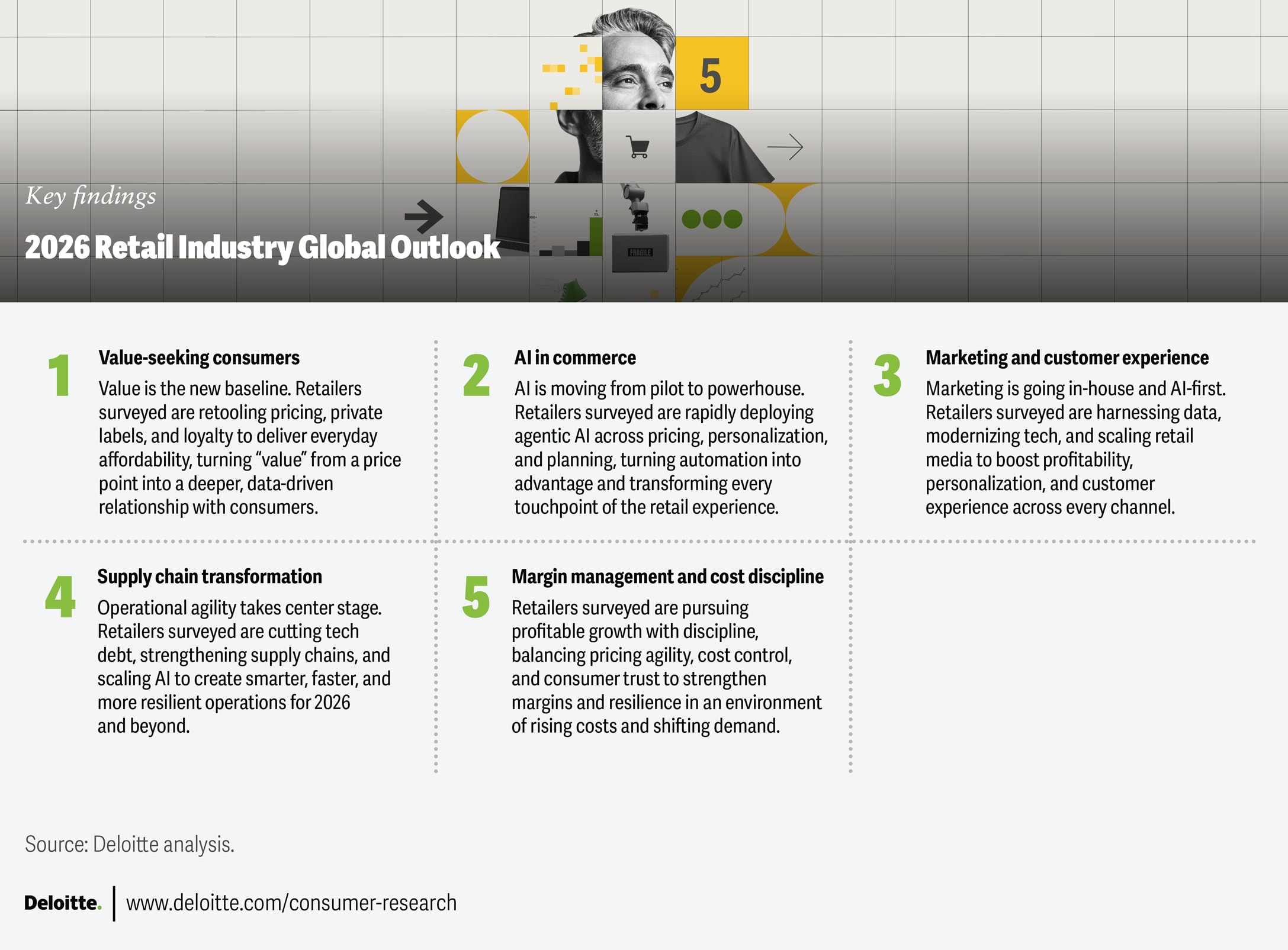
Unlike end-customer marketing, a channel partner value proposition need to emphasize how a company's product and services boost the partner's portfolio, creating mutual benefits. For mid-market companies, this suggests concentrating on the end service and highlighting how the collaboration drives success, market differentiation, and ease of adoption for the partner. Rewards are a powerful lever in channel partner tourist attraction and retention.
In addition, mid-market business can provide specialized co-marketing funds or sales enablement tools to help partners stick out in competitive markets. This targeted assistance demonstrates a company's dedication to transport success and can deepen the engagement by encouraging partners to buy building a robust relationship. It's vital to recognize the competitive landscape in the mid-market and supply a partner worth proposal that aligns with evolving market demands.
The goal is to create a distinct worth proposal that resonates with the partner's company model and client base, reinforcing the channel community through an extremely engaged and devoted partner network. Effective partner enablement starts with a structured onboarding program that gears up partners with the knowledge and tools they require for channel success product representation.
Mid-market companies must provide clear, accessible training resources covering all elements of the item's features, advantages, and unique selling points to promote self-confidence and product understanding. In addition to onboarding, constant learning chances are essential for continual channel success. Mid-market business ought to upgrade training products and supply continuous workshops or webinars as items evolve.
Future UK Industry Trends in 2026
By investing in long-term partner development, companies strengthen their channel technique and foster a collaborative environment that drives mutual success. Setting efficiency metrics and preserving routine interaction with partners is important for determining the success of enablement programs. Efficiency metrics offer insights into how successfully partners engage clients and promote the company's channel success items.
This structured method enhances the partner experience and strengthens the channel's efficiency, building a foundation for scalable growth. In a subscription-based model, consumer success is critical for mid-market business intending to develop sustained earnings streams. By embedding consumer success into the channel success framework, companies develop a strong structure for long-term engagement.

Latest Posts
A Deep Outlook for 2026 Leadership
Optimizing IT Systems for British Success
Smart Tactics to Fuel 2026 UK Growth